
Why Earrings Make Your Ears Itch: Causes, Fixes, And Best Metals
Quick Answer
Earrings usually make ears itch when the skin around the piercing is repeatedly exposed to reactive metals, trapped product residue, pressure or friction. Over time, that can show up as itching, redness or soreness, especially when the earring is heavy or the metal does not suit your skin.
Implant-grade titanium earrings are often a better everyday starting point because they are lightweight, nickel-free and less likely to add one more irritation trigger while your ears settle down.

What’s Actually Happening When Your Ears Itch
An itchy piercing is usually a sign that the skin barrier is under stress. That stress can come from the metal itself, but just as often it comes from the way the earring sits on the ear, how much residue builds up around it, or how much pressure the piercing experiences throughout the day.
When the irritation repeats, the area can start to feel reactive even to earrings that once seemed fine. That is why ear comfort is rarely about one factor alone.
Main Causes Of Itchy Ears From Earrings
-
Metal Sensitivity And Nickel Allergy
Many cheaper jewellery alloys rely on metals that can trigger sensitivity, especially when the plating wears or the underlying alloy becomes exposed through daily wear.
-
Everyday Wear: Sweat, Heat, And Friction
Heat, perspiration, pillows, hair and headphones all increase friction. When an earring is heavy or catches easily, the piercing has more to contend with.
-
Buildup Around The Piercing
Shampoo residue, skincare, sweat and trapped debris can collect around the front or back of the piercing. That buildup can make even a good earring feel less comfortable over time.

Earring Allergy Symptoms To Watch For
Itching is often the first sign, but it is not the only one. You may also notice redness, warmth, tenderness, flaking skin or a feeling that the piercing is never fully settled.
If the symptoms are persistent, worsening or severe, a medical professional can help you determine whether it is irritation, an allergy or another skin issue.
Why Ears Get Irritated From Jewelry Over Time
Some earrings feel fine at first and become uncomfortable later because wear slowly changes the surface that touches your skin. Plating can thin, residue can build up, and a favourite pair can start catching in all the ways it never did on day one.
That is why recurring irritation often improves when you rethink both the material and the design, rather than focusing on one alone.
Why Implant-Grade Titanium Feels Different
Implant-grade titanium tends to feel different for three practical reasons: it is lightweight, nickel-free and highly resistant to everyday corrosion. For many people, that means fewer avoidable triggers and a more comfortable baseline for regular wear.
It is not a guarantee that every ear will respond the same way, but it is one of the most predictable starting points when sensitive ears are the concern.
Quick metal snapshot
4 materials| Material | Why it may itch less | What to watch for |
|---|---|---|
| Implant-grade titanium | Nickel-free, lightweight and a strong everyday option for many sensitive ears | Still check the finish, closure and how the earring fits your piercing |
| Solid gold | Can be a quality option when the alloy suits your skin | Alloy ingredients differ, and heavier designs may still irritate |
| Sterling silver | Can work well for many healed piercings | More care is needed around moisture and tarnish |
| Fashion or plated alloys | Often chosen for price or look rather than long-term comfort | Reactive base metals and worn plating can increase irritation risk |

Reverence Earring Stack
- PlacementMultiple lobe placements with supportive upper-ear detail
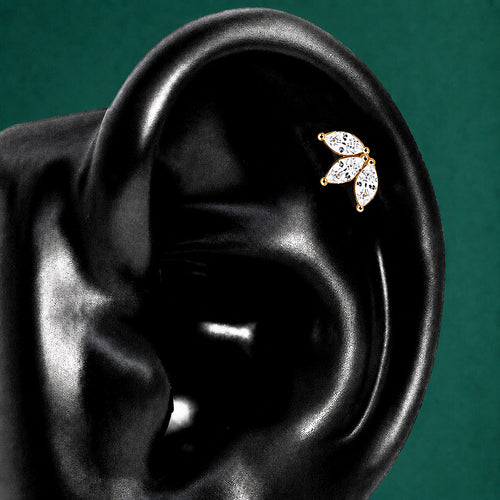
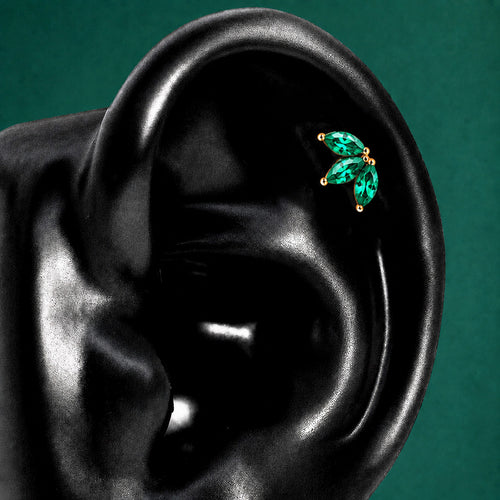
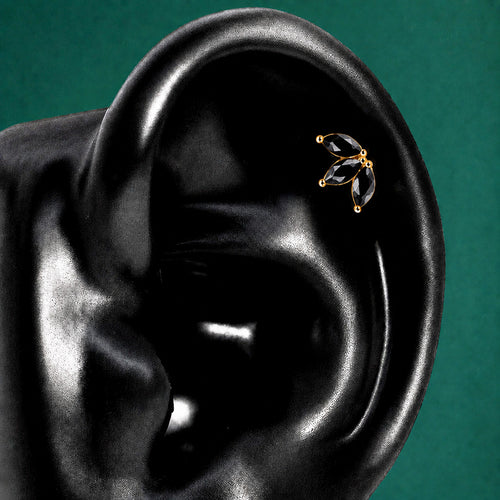
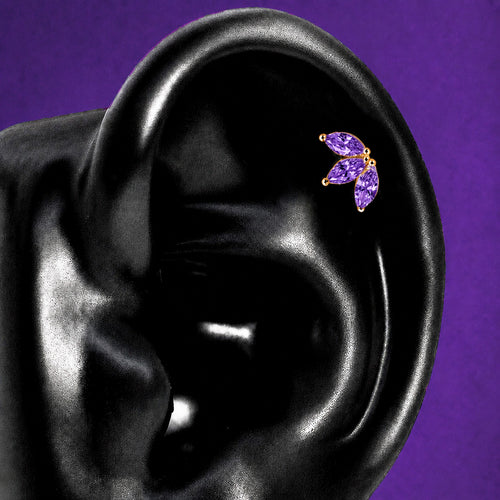
- MaterialTitanium-based everyday styling with decorative floral details
- Why it helpsThe design keeps detail visible without relying on heavy, bulky pieces
Reverence is a good reminder that sensitive-ear options do not need to look clinical. Comfort and delicacy can coexist when the stack is built around lighter-feeling pieces and thoughtful proportions.
View the Reverence stackHow To Pick Earrings That Don’t Itch
Prioritise Materials With Predictable Behaviour
When you are troubleshooting irritation, begin with the metal. Implant-grade titanium is often the easiest starting point, followed by other materials whose composition is clearly identified.
Design Details That Matter For Comfort
Flat backs, lighter weights, smooth finishes and secure closures all help reduce daily friction. Smaller details such as where a charm hangs or how a back sits against the head can make a meaningful difference.

How To Stop Earrings From Itching
Step 1: Give Your Ears A Break
Remove the pieces that are obviously irritating your skin, especially if the area feels inflamed or repeatedly aggravated.
Step 2: Reintroduce A “Test Pair”
Go back to one comfortable, low-risk pair in a material you trust so you can see whether the irritation settles without extra variables.
Step 3: Rebuild Your Earring Wardrobe Strategically
Once your ears are calmer, rebuild around pieces that are lighter, smoother and made from more predictable materials.
If symptoms continue, step back
If the irritation is persistent, worsening or unusual for you, a medical professional or your piercer can help you assess what is going on before you keep experimenting.

Best Earrings For Itchy, Sensitive Ears
The best earrings for itchy ears are usually the ones that remove as many irritation variables as possible: a predictable base metal, a lighter feel, a smoother surface and a design that does not constantly move or tug.
That does not mean you need to give up expressive styling. It just means choosing the expressive pieces more strategically.

Eternal - Pink
- PlacementBest as a focal lobe piece with supporting upper-ear details
- LookDecorative chain movement with a softer floral feel
- Why it worksStatement detail sits where it can be seen clearly, while the rest of the stack can stay simpler
Eternal - Pink is a good example of how to keep the drama concentrated. When a more decorative earring takes the first-lobe role, the rest of the ear can stay light and easier to wear.
View Eternal - Pink
“I bought my first stacks of earrings and there are beautiful! The shipping was faster than i expected it, the packaging was amazing cause it was so delicate and the details really beautiful. Im have very sensitive skin so i struggled i lot with earrings. So far I’ve been using them every day for like a month now and they still look like the first day and i don’t feel them at all cause there soo light weight. I would definitely recommend this page and buying more!!”Jazmin Florentino Gonzalez · US · 24 August 2026
Key Takeaways
- Itchy ears usually come from a mix of metal sensitivity, friction, residue and design-related pressure.
- Implant-grade titanium is often a better everyday starting point for sensitive ears because it is nickel-free and lightweight.
- Comfort is shaped by the whole earring, including its closure, profile and how much it moves throughout the day.
- Switching to a calmer “test pair” can help you identify whether the irritation is coming from the metal or from the design.
- You do not need to give up style to reduce irritation; you just need to place the bolder pieces more strategically.
Frequently Asked Questions About Itchy Ears From Earrings
Why do my ears itch every time I wear earrings?
Itching often comes from repeated irritation. Common triggers include reactive metals, friction, trapped residue or a design that feels too heavy or pressure-prone for your ear.
How can I tell if I’m allergic to my earrings?
Persistent itching, redness, tenderness or a rash-like reaction can all be signs that the earrings are not agreeing with your skin. A medical professional can help you assess the cause if it keeps happening.
What earrings are best for sensitive, itchy ears?
Earrings made from implant-grade titanium are often a strong starting point, especially when the design is also lightweight and comfortable for long wear.
Can I stop my earrings from itching without giving them up completely?
Often, yes. Many people improve comfort by changing the metal, switching to lower-profile pieces and keeping the earrings cleaner and lighter.
Why do my ears only itch with cheap or fashion jewelry?
Lower-cost fashion jewellery is more likely to rely on plating or reactive alloys whose full composition is not clearly stated. As those surfaces wear, they can become more irritating.
Is it bad to sleep in earrings if I have sensitive ears?
Sleeping in earrings can increase pressure and friction. If you do sleep in earrings, lower-profile, comfortable designs are usually the easiest to live with.
Will switching to titanium fix my itchy ears completely?
Not always, because metal choice is only one part of the picture. Titanium often removes one major trigger, but fit, design, pressure and hygiene still matter too.
Build A More Comfortable Ear Stack
When your ears are happier, you wear your jewellery more. Start with lighter, more predictable pieces, then build your stack from there.
Explore IMBER titanium earrings
- Two-year warranty
- 100-day returns
- 4.9/5 on Trustpilot